Renqiu Xinjian Metal Products Co., LTD,Contact Now Get 20-30% Off



What Is The Common Type Of Spacer Bar
Release time:
2025-10-10

Common Materials and Types Of the Insulating Glass Spacer
Spacer technology has evolved significantly, impacting window performance.
A. Traditional Aluminum Spacer
· What it is: The original and most common type. Made from bent or rolled sheet aluminum, forming hollow tubes.
· Pros: Strong, durable, and cost-effective.
· Cons: Poor Thermal Performance. Aluminum is a highly conductive metal, so it creates a "thermal bridge," allowing heat to easily escape at the edge of the window. This often leads to cold edges and condensation in winter.
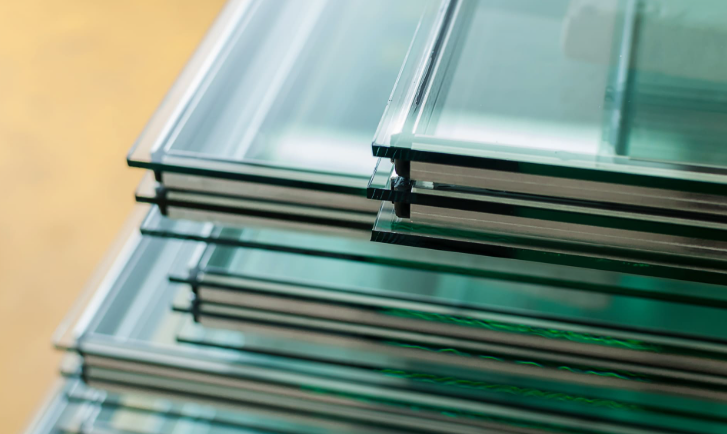
B. "Warm Edge" Spacers
To solve the condensation and heat loss problem of aluminum,"warm edge" spacers were developed. They are made from materials with low thermal conductivity.
· Stainless Steel: A thin, flexible, and much less conductive metal than aluminum. Often used in a "roll-form" or "U-channel" design.
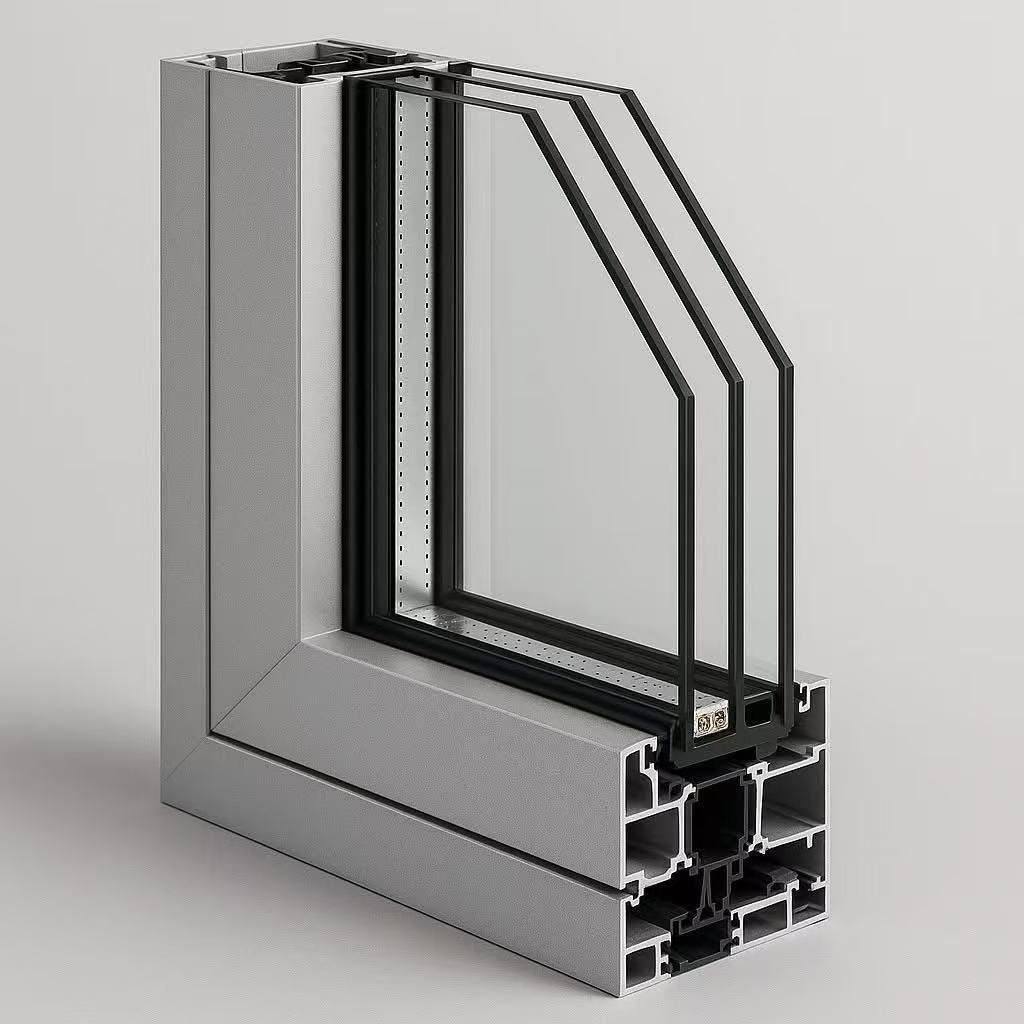
· Flexible Spacers (Butyl/TPE): Made from a mix of butyl rubber, foam, and a thin metal foil barrier. These are very flexible, creating a continuous seal and offering excellent thermal performance.
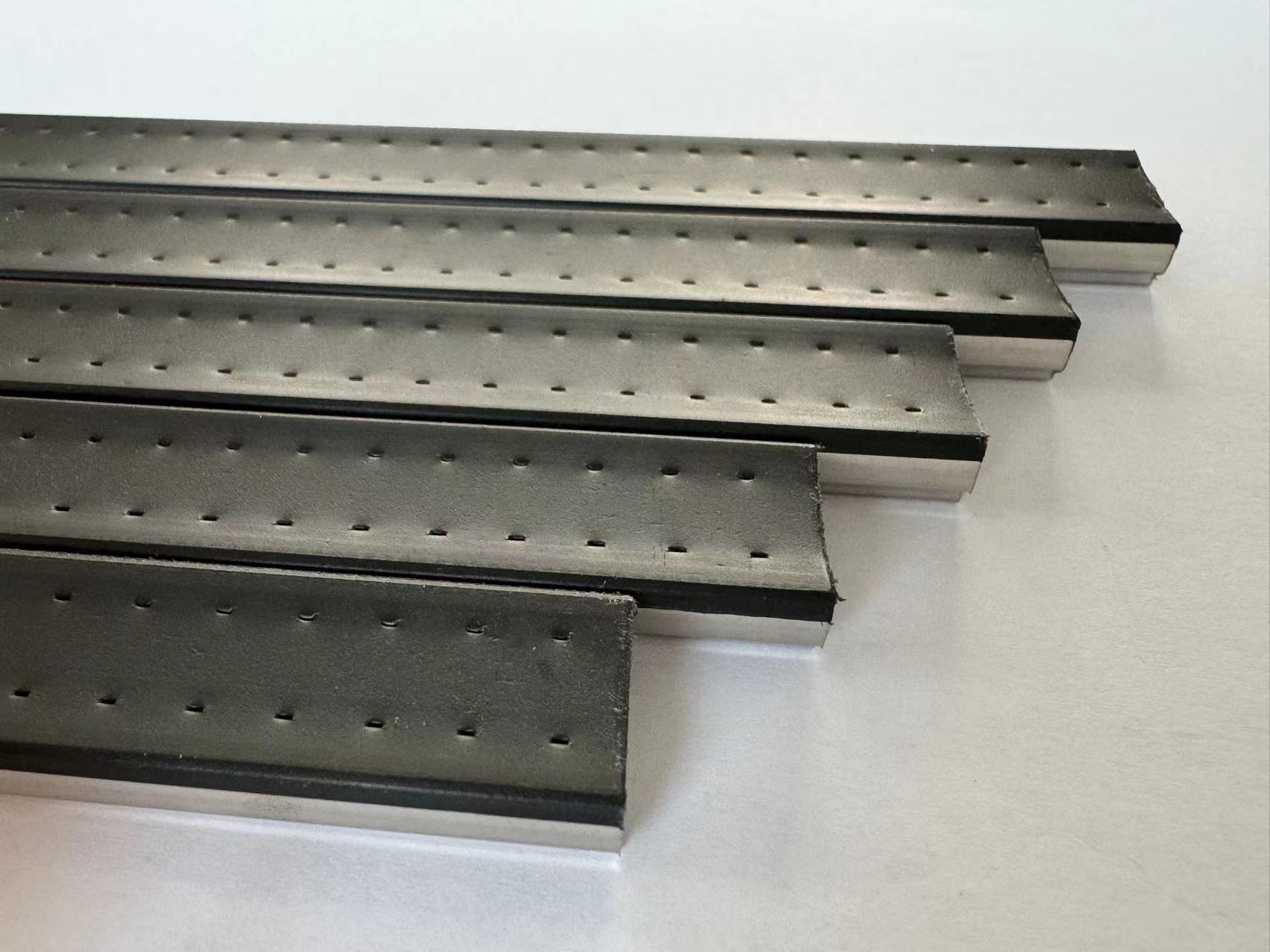
· Structural Foam: Made from a rigid, low-conductivity foam like silicone foam. They are cut and mitred to size and provide superior insulation.
· Thermoplastic Spacers (TPS): A hot-melt material that is applied in a liquid state and cures to form a solid, seamless spacer. This is considered a top-tier "warm edge" solution as it eliminates all metal at the edge.
Keyword:
Previous
Next article
Related News
Exploring Affordable Glass Spacers for Enhanced Building Insulation
Glass spacers play a crucial role in the realm of architectural design and construction, particularly in the context of insulation and thermal efficiency. These components are often employed in double or triple-glazed window systems, providing structural support while simultaneously contributing to energy conservation. In recent years, there has been a growing demand for cheap glass spacers, espec
2026-09-08
Enhance Your Building's Insulation with the Best Aluminum Spacer Bar
Enhance Your Building's Insulation with the Best Aluminum Spacer Bar Table of Contents 1. Understanding Aluminum Spacer Bars 2. The Importance of Insulation in Buildings 3. Advantages of Using Aluminum Spacer Bars 4. Types of Aluminum Spacer Bars 4.1 Standard Aluminum Spacer Bars 4.2 Thermal Break Spacer Bars 4.3 Composite Spacer Bars 5. How Aluminum Spacer Bars Improve Insulation 6. Installation
2026-09-05
Enhancing Building Performance with Customized Bendable Aluminum Spacers
Customized bendable aluminum spacers are becoming increasingly popular in the construction and decorative materials sector, particularly for their unique properties that enhance insulation and thermal performance in various applications. These spacers are designed to provide flexibility and adaptability, making them ideal for a wide range of construction projects. One of the primary advantages of
2026-09-02
The Role of New Black Glass Spacers in Energy Efficiency: Revolutionizing Thermal Performance
The Role of New Black Glass Spacers in Energy Efficiency Table of Contents 1. Introduction to Black Glass Spacers and Energy Efficiency 2. Understanding Glass Spacers: The Basics 3. The Innovation Behind Black Glass Spacers 4. Benefits of Black Glass Spacers in Energy Efficiency 4.1 Enhanced Thermal Performance 4.2 Moisture Control and Longevity 4.3 Aesthetic Appeal a
2026-08-30
The Versatility of Colored Aluminum Spacers in Architectural Applications
Colored aluminum spacers are becoming increasingly popular in the construction and decorative materials industry, particularly in the realm of functional materials such as soundproofing and sound-absorbing materials. These spacers not only serve a practical purpose but also add a visually appealing element to various architectural designs. Here, we will delve into their features, benefits, and app
2026-08-27



Message
Whether it's about products, services or general inquiries, we're here to listen and answer your questions.